
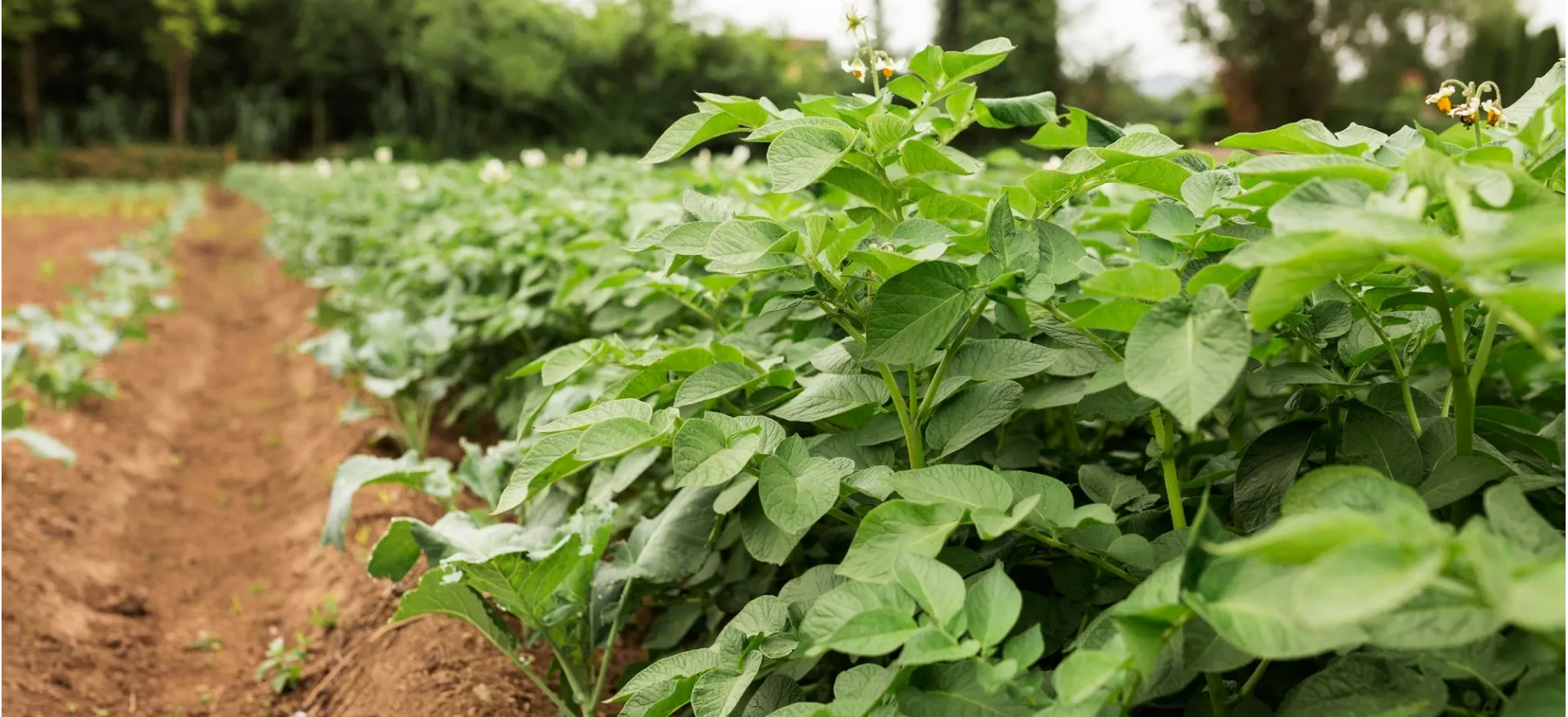
Interaction between nitrogen nutrition and water availability during grain filling in determining chickpea grain weight and final quality: physiological bases
The project analyzes the interaction between nitrogen nutrition and water availability in chickpea crops, generating technical information to optimize agronomic practices and improve the sector's productivity.
Summary
The Clúster de Garbanzo Córdoba, represented by the Asociación Civil Clúster de Garbanzos Córdoba, is driving this scientific research project in a consortium with INTA and CONICET to generate original knowledge on how nitrogen nutrition and water deficit interact during chickpea grain filling, and how that interaction determines yield and final grain quality. Córdoba is Argentina's leading chickpea producer, and the crop, increasingly important in healthy diets worldwide thanks to its high protein content, faces the structural challenge of "terminal drought" during the reproductive phase, which is especially critical in the subtropical rainfed environments where it is grown.
The project will be carried out on a cluster member's farm in Sinsacate over two consecutive growing seasons, using two widely grown commercial cultivars under a factorial experimental design: two levels of water availability (drip irrigation vs. rainfed from the start of grain filling) by two levels of nitrogen fertilization (control vs. 600 kg N/ha split into three applications). Ecophysiological and biochemical variables will be measured in the field and the lab: grain growth dynamics, apparent remobilization of reserves, photosynthetic performance (Fv/Fm, ΦPSII), leaf senescence, oxidative stress (SOD, CAT, APX, MDA) and final chemical composition (protein by Kjeldahl, oil by Soxhlet, sugar profile by HPLC).
The project includes the doctoral thesis of biotechnologist Mercedes González, supervised by Dr. Constanza Soledad Carrera and co-supervised by Eliana López Colomba. The results will help breeding programs, crop modelers, growers and the export-oriented agrifood industry develop management strategies that are resilient to climate change. Aligned with SDG 2 (Zero hunger) and SDG 13 (Climate action).
Main objective
Study how the interaction between nitrogen nutrition and water availability during grain filling affects the dynamics of grain weight determination and final grain chemical composition, the apparent remobilization of reserves and the performance of the photosynthetic source in chickpea under field conditions, generating original ecophysiological knowledge to support breeding, the design of climate-resilient agronomic management strategies and quality-based differentiation of Córdoba's production for industry.
Duration:
May 2026 to April 2027 (12 months)
Status:
Active

Clúster de Garbanzo
Founded in 2019, it brings together growers, grain merchants, processors, logistics providers, R&D, universities and the public sector to improve competitiveness, diversify markets and add value to chickpeas.